


Best Way to Spend Three Days in London: A Travel Guide

Plan the best way to spend three days in London with this personal itinerary covering landmarks, museums, food, and local experiences for travellers.
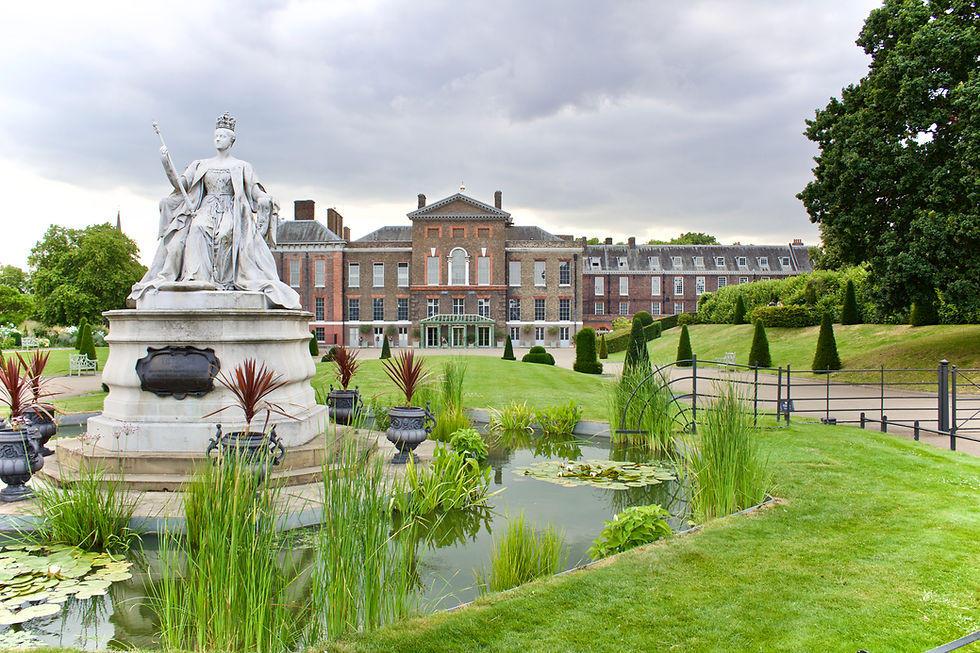
London has a way of making you feel like you’ve stepped into something bigger than yourself before you’ve even left the airport. The history is heavy, the streets are alive, and somewhere between your first overpriced coffee and your third accidental detour, you realize you are completely under its spell.
I’ve spent multiple trips wandering this city—sometimes with a plan, sometimes following whatever caught my attention that day—and what I’ve learned is this: you do not need a week to fall in love with London.
If anything, a well-planned few days can give you the kind of experience that lingers long after you leave.
This is the best way to spend three days in London, built from my own experiences across multiple visits, carefully narrowed down to the moments that are actually worth your time (and structured into an optimal day-by-day itinerary).
The Best Way to Spend Three Days in London
I have outlined the best way to spend three days in London by drawing directly on my own experiences from multiple trips, narrowing everything down to what is genuinely worth your time while keeping each day logically grouped by location and flow, so you can explore the city without feeling rushed or overwhelmed.
Day 1: Royal London, Landmarks and Afternoon Tea
London does not ease you in; it makes an entrance. Today is about leaning into that energy, starting with the landmarks you have always imagined and layering in moments that feel unmistakably “London.”
Big Ben and the Houses of Parliament

There is something oddly comforting about seeing Big Ben for the first time. It’s one of those landmarks that feels so overexposed online that you almost expect to be underwhelmed, and yet standing beneath it feels surreal. I remember taking a photo and immediately laughing at myself because, yes, I had become that person, but also, how could you not?
The Houses of Parliament stretch beside it, intricate and imposing, and together they set the tone for your first day. This is London in its most recognizable form, where history feels present in every detail. It’s worth lingering here for a moment, even if you are surrounded by crowds doing exactly the same thing.
Walk Along the River Thames Toward Tower Bridge
From Westminster, the best decision you can make is to start walking. London rewards movement, especially on foot, and the Thames becomes your guide. As you follow the river, the city unfolds in layers; street performers appear out of nowhere, bridges frame perfect views, and there is always something happening just slightly off to the side.
I found this stretch to be one of the most enjoyable parts of my trip, not because of any single attraction, but because of the atmosphere. It’s where London feels lived in, rather than staged.
You pass locals on their way to work, travellers trying to figure out maps, and the occasional busker who turns an ordinary walk into something memorable.
Wandering Through Central London Streets
Before diving into anything structured, give yourself permission to wander. On one of my trips, I spent hours drifting through central London without a clear destination, popping into shops, admiring architecture, and letting curiosity lead the way. It was during one of these aimless afternoons that I found myself inside Liberty, completely captivated by its wooden interiors and beautifully curated displays.
Even if you do not plan to buy anything, browsing spaces like this feels like an experience in itself. London does this so very well! It turns everyday activities into something slightly more elevated, whether you’re window shopping or simply observing the city's rhythm.
Exploring the Tower of London
If there’s one place that deserves your full attention, it is the Tower of London. This is not a quick stop—it’s a deep dive into centuries of history, and is easily one of the most compelling experiences I’ve had in the city.
Start with the Crown Jewels; I learned the hard way that waiting until later in the day means longer lines, so heading there first makes a noticeable difference. Seeing them in person feels almost unreal, not because of their sparkle, but because of what they represent (not that what they represent is at all admirable, to be fair, but there’s so much history in it all).

From there, move through the White Tower, where armour and weaponry tell stories of power and conflict. The Beauchamp Tower stood out to me the most, as its walls are covered in carvings left by prisoners; they serve as small but powerful reminders of the people who were once held there. It shifts the experience from historical to deeply human.
Tower Green carries its own weight, as this is where figures like Anne Boleyn were executed, and standing there brings a quiet heaviness that contrasts with the rest of the city’s energy. It’s not dramatic. It’s reflective, and that is what makes it stay with you.
Hyde Park Stroll
After the intensity of the Tower, Hyde Park feels like a total reset. London’s green spaces have a way of softening everything, and I found myself spending more time here than I expected.
On one visit, I grabbed slices of cheesecake with a friend and sat in the park, watching people pass by, chatting, and doing nothing particularly productive. It ended up being one of my favourite memories, and it’s perfect for those looking to visit London on a budget, as sitting in the park is completely free.
There is something grounding about these moments. Squirrels dart around with zero fear, people lounge on the grass, and the city slows down enough for you to catch your breath. It’s a reminder that London is not only about landmarks, but also about how it feels to be there.

Afternoon Tea at the Park Room, Grosvenor House
This is where you really get to lean into the experience.
Afternoon tea at the Park Room feels exactly as elegant as you would hope, a refined moment in the city without being intimidating, and the setting makes you feel like you have stepped into a different era. The tea selection is extensive, the pastries are carefully crafted, and there is a sense of occasion to the whole experience.
It sits close to both Hyde Park and Buckingham Palace, which makes it an easy addition to your route. More importantly, it adds something distinctly London to your day—you’re not rushing, you are sitting while sipping and taking it all in.
Covent Garden (Optional Evening at Mr. Fogg’s Gin Parlour)
As the evening rolls in, Covent Garden becomes the perfect place to end your first day. The energy shifts here, while street performers draw small crowds, lights begin to glow, and the entire area feels lively without being overwhelming.
If you are in the mood for something a little more playful, Mr. Fogg’s Gin Parlour offers a memorable twist on the classic tea experience. Their G and Tea is as whimsical as it sounds, and it feels like stepping into a theatrical version of London’s past while you learn about the history of gin, all while enjoying tea-inspired cocktails.
Day 2: Museums, Culture and Classic London
After the grandeur of your first day, this is when London deepens. Today is about stepping inside the city’s cultural core, moving through spaces that hold centuries of art, history, and quiet awe.
A note about today’s London museum-hopping, though: Look, I know that this is a lot of visual and mental input in one day (I’ve spent literal days in the V&A alone, so I don’t blame you if you come to London just to camp out in there). That said, jokes—kinda—aside, you can do it, but be aware that you won’t see everything, you will need to move with purpose and…museum fatigue is real.

Accept that you might need to skip something if you’re tired; if you feel the need to adjust, I would recommend skipping the Natural History Museum or shortening your British Museum visit. What makes this itinerary work, though, is treating museums as highlights, rather than full deep dives for this short stint in the city.
Start early each day and use the Tube strategically (don’t try to walk everything, that’s just unrealistic).
The British Museum
The British Museum is one of those places where you walk in thinking you will stay for an hour and leave realizing you have barely scratched the surface. It is vast, and every room feels like its own world.
The Egyptian galleries immediately pull you in. Seeing mummies up close has a way of making history feel tangible. The Rosetta Stone is surrounded by people, yet it still manages to hold your attention, since it’s one of those objects that carries an undeniable significance.
I also found myself drawn to the Greek and Roman sculptures. There is something about the scale and detail that makes you pause longer than expected. The museum does not feel rushed, because it is designed to invite you to take your time, which is exactly what you should do.

Trafalgar Square and the National Gallery
From the museum, make your way to Trafalgar Square. It is a natural transition, and the walk itself is part of the experience. The square is busy, full of movement, and anchored by Nelson’s Column, which rises above everything.
The National Gallery sits right there, making it an easy next step. Inside, the atmosphere shifts to something quieter, more focused, and filled with works that you have likely seen before (though never quite like this).
Standing in front of Van Gogh’s Sunflowers felt surprisingly emotional. There is something about seeing a familiar painting in person that changes your relationship with it. Turner’s The Fighting Temeraire carries a different kind of weight, softer yet equally impactful.
The Victoria and Albert Museum
If I had to choose one museum to return to again and again, it would be the Victoria and Albert Museum. There is something about it that feels more immersive than the others.
The fashion and textile exhibits were a highlight for me; the detail and the craftsmanship, along with the way each piece tells a story of its time…it’s not only about clothing. It is about culture, it’s about identity, and it’s about evolution.
The period rooms transport you entirely—walking through them feels like stepping into different moments in history, each carefully preserved. The decorative arts section ties everything together, offering a broader understanding of how design shapes everyday life.
The Natural History Museum
If you still have energy, the Natural History Museum is worth a visit, especially since it is so close to the V&A. To be honest, even a short stop here leaves an impression.
Hintze Hall is stunning, with its soaring ceiling and the iconic blue whale skeleton suspended above. It is one of those spaces that makes you instinctively look up and stay there for a while.
Dinner at Pied à Terre

End your day with a meal that feels intentional. Pied à Terre in Fitzrovia offers the kind of dining experience that lingers long after you leave the table.
From the moment you step inside, everything feels considered, from the atmosphere to the pacing of each course. I had the chance to sit down and speak with the team during my visit, which deepened my appreciation for what they do here. There is a clear passion behind every detail, and it shows.
The dishes themselves feel like a balance of artistry and precision, plated with care and built with flavours that unfold slowly as you eat. It is the kind of place where dinner becomes the focus of your evening, where conversation softens, and you find yourself fully present in the experience.
If you are looking to elevate your time in London, this is where you do it.
Day 3: Greenwich, Neighbourhoods and Food Scene
By now, London starts to feel familiar in the best way. Today slows things down, shifting toward neighbourhoods, local experiences, and the kind of moments that make you feel like you are part of the city.
The Queen’s House and the National Maritime Museum
Greenwich feels like stepping into a different version of London. It is quieter and more open, and it carries a sense of calm that contrasts with the city centre.
The Queen’s House is elegant and understated with its Tulip Stairs that are striking, spiralling upward in a way that feels almost hypnotic. The maritime art adds another layer, connecting the space to the broader history of exploration.
Next door, the National Maritime Museum expands on that narrative, as the exhibits dive into naval history and the stories of exploration that shaped not only Britain, but the world.

Greenwich Park
From there, Greenwich Park offers one of the best views in London. Standing at the top, looking out over the skyline, you get a sense of the city’s scale.
It is a peaceful place to spend time. Here, you’ll find people sitting on the grass, walking their dogs, or simply taking in the view just like you’ll be doing. It’s a reminder that even in a city as busy as London, there are spaces that feel calm and unhurried.
Shoreditch and Notting Hill on Foot
In the afternoon, shift your focus back to neighbourhoods.
Shoreditch has an edge to it, with street art, independent shops, and a creative energy that feels distinctly modern. It’s where I stayed during one of my trips, and it gave me a different perspective on the city.
Notting Hill offers a softer contrast, with streets that are colourful, shops that are charming, and a sense of quiet elegance that makes it easy to spend a few hours wandering.
Cafés and Small Galleries
This part of the day is intentionally unstructured.

Using the Art Passport app, I found smaller galleries that felt more personal than the larger institutions. These spaces are often tucked into neighbourhoods, making them easy to pair with a coffee stop or a casual wander.
It’s in these quieter moments that London reveals itself differently. Not through major landmarks, but through small discoveries.
Dinner at Wild Food Café
For your final evening, Wild Food Café offers a relaxed yet memorable end to your trip. The atmosphere is welcoming, the food is thoughtfully prepared, and it feels like a place to reflect on everything you have experienced.
It’s the kind of dinner that doesn't need to be rushed, making it perfect for your last night. After all, who doesn’t love a delicious meal?
All in All
London has a way of staying with you. It is in the grandeur of its landmarks, the depth of its museums, and the quiet moments in between. You do not need weeks to appreciate it. A carefully planned 3-day London itinerary can offer a rich and meaningful experience, one that balances history, culture, and the simple joy of being there.
If you have been wondering what to do in London for 3 days, or searching for things to do in London in 3 days that feel personal rather than rushed, this approach brings together the best of both worlds. It also works beautifully as a London weekend itinerary, giving you a full experience without feeling overwhelmed.


Reading this made me feel like I was already mentally walking those streets—starting at the landmarks, then drifting into the quieter neighbourhood moments where the city really starts to feel lived-in rather than just “visited.”
One of my biggest travel dreams has always been to go to London and see England itself, not just the postcards version, but the version you describe here where you’re moving between museums, parks, food spots, CHEESE shops and just letting the day unfold naturally.
I especially love how you frame it as something you can experience deeply in just a few days if you do it with intention rather than rushing it.
It honestly makes the whole idea feel more accessible and real,…
I was born and grew up in London so this is home territory for me. Like many big cosmopolitan cities around the world, London has a lot to offer. Pick your passion, savor it, and come back for more. I never get tired of exploring that great city of my birth.
This are great tips! I'm planning my first trip to London and I'm eager to visit all these places!
Great, a lot of places that you have been to in London! I liked how you spreading three days without trying to cram everything in - and I am also visiting London in a few weeks!
You have done well capturing the true essence of London. It's not too touristy either. Thank you so much, I will bookmark this article for sure!