


A Full MIC Card Rome Guide for Longer Stays in the City

Updated: May 16
Use the MIC Card Rome offers to visit museums, ruins, and Villa Torlonia gems during a long stay in the Eternal City, with practical tips from a local.
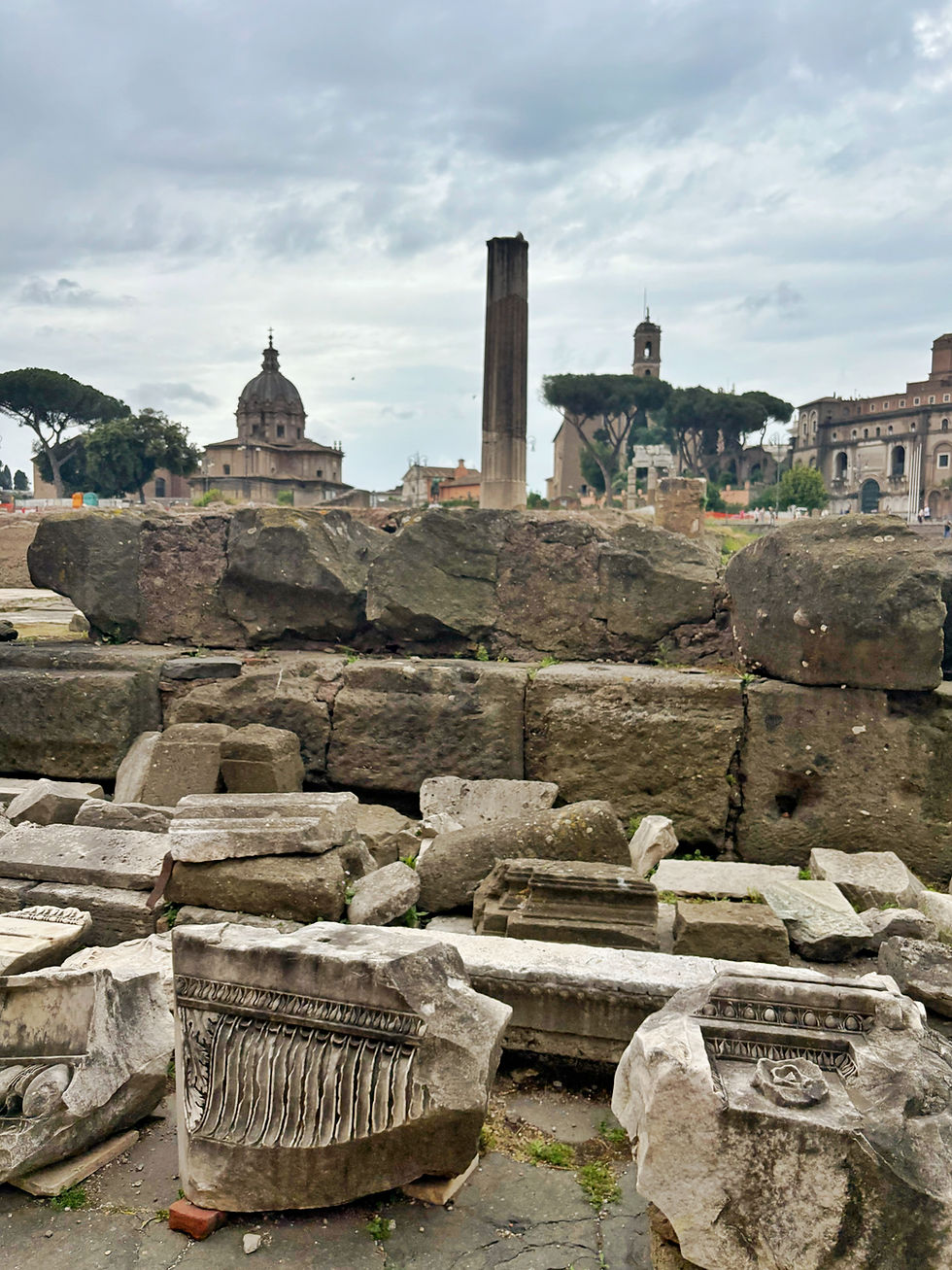
Rome and I did not get off to a relaxed start… then again, I usually am not in Relaxation Mode when I visit big cities for the first time.
I arrived with a long list, good walking shoes, and the quiet confidence of someone who thought they could “do” the city in a reasonable amount of time. By day two, I was tired, mildly overwhelmed, and standing in yet another line, wondering how everyone else seemed to be taking it all in without spiralling.
Rome, it turns out, is not interested in your schedule. It moves at its own pace and expects you to catch up. In many ways, the city has taught me to behave in the same way and now, she and I feed off of each other in the best way possible.
That is, at some point, I gave up trying to win. I stopped racing from landmark to landmark and started letting the day decide for me.
One museum instead of four, a longer coffee break instead of a rushed lunch, a return visit somewhere I actually liked, instead of forcing myself somewhere new. It felt suspiciously like I had cracked a code no one had told me about.
The secret was not a personality shift or a sudden burst of patience, but rather a €5 card sitting quietly in my wallet: the MIC Card Rome offers up.
It turns out, the fastest way to enjoy Rome is to stop trying to keep up with it.
MIC Card Rome: What It Is and Why It Changes Everything

The MIC Card Rome is one of those rare travel finds that feels almost too good to be real, especially in a city where entrance fees can quietly stack up by midday. Designed for residents of Rome, including those living here long-term, this card opens the door to a wide network of civic museums and archaeological sites.
It shifts your experience from occasional sightseeing into something far more immersive and sustainable over time, creating space for spontaneity while allowing you to pop into a museum on a whim or revisit a favourite gallery without hesitation. It removes the pressure to see everything in one visit, which totally changes how you engage with history and art.
It also makes cultural exploration feel like part of your everyday life, rather than a once-in-a-lifetime checklist. Who can say “no” to that?
For €5, the value becomes immediately clear, especially when you consider the Rome MIC Card's cost and validity, which grants access for 12 months from the day of activation. This is not a short-term pass designed for quick consumption; it’s built for people who want to take their time, return often, and develop a deeper relationship with the city, its culture, and its history.
Living in Rome now, I have found myself reaching for it regularly, slipping into museums between errands or choosing an archaeological site over an afternoon scroll on my phone. The Rome museum pass MIC Card offers a kind of freedom that traditional travel rarely does, and it quietly reshapes your priorities in the best way.
Trajan’s Market and Forum
There is something powerful about standing in a place that once functioned as the beating heart of an empire, and Trajan’s Market delivers that feeling without the chaos of larger, more crowded sites. Walking through the complex, you begin to understand how advanced Roman urban planning truly was, with layered structures that feel surprisingly modern in their design.

The views over the Imperial Forums create a sense of scale that is difficult to grasp from street level, offering a perspective that feels simultaneously intimate and expansive. The museum inside adds context, weaving together fragments of history that bring the ruins to life, including a space for rotating exhibits on various historical subjects.
Throughout all of this, the atmosphere remains calm enough to let you think, which is a rare gift in Rome.
With the MIC Card, returning here becomes part of a routine, instead of a one-time experience. I have visited on quiet mornings and golden late afternoons, in rain and in sunshine, each time noticing something different in the stonework and layout.
The absence of pressure allows you to linger, to read every panel if you feel like it, or to sit quietly and take in the view. It’s one of those places where time stretches in a way that feels generous. It also reminds you that Rome is layered, complex, and constantly revealing itself to those who are willing to look more closely.
Capitoline Museums
The Capitoline Museums hold a special kind of gravity, both because of their location and the weight of history inside their walls.

Sitting atop Capitoline Hill, they offer sweeping views over the Roman Forum that feel almost theatrical in their presentation. Inside, the collections range from ancient sculptures to Renaissance works, creating a dialogue between eras that feels cohesive and never overwhelming.
The renowned She-Wolf sculpture stands as a symbol connecting the Roman myth and identity, grounding the experience in the city's origins. Plus, the layout encourages slow exploration, guiding you through rooms that each carry their own atmosphere. The quiet corners often become the most memorable.
Having access through the MIC Card transforms the way you approach a place like this. Instead of trying to absorb everything in one visit, you can return with intention, focusing on specific sections or artworks each time.
I’ve found myself revisiting certain rooms simply because they felt unfinished in my mind, like a conversation worth continuing. The familiarity grows with each visit, turning a major museum into something that feels personal; it becomes less about ticking off highlights and more about building a relationship with the collection over time.
Largo di Torre Argentina Archaeological Site
At first glance, Largo di Torre Argentina looks like a sunken square filled with ruins and cats, which is obviously already a compelling combination. Once you step closer, the layers of history begin to reveal themselves in a way that feels almost cinematic.

For one, this is the site associated with the assassination of Julius Caesar, and the weight of that moment lingers in the air. The temples within the complex date back centuries before that event, though, creating a timeline that stretches deep into the past.
The setting in the middle of a busy, modern intersection adds a sense of contrast, making the experience even more striking. It feels like Rome in its purest form, where ancient and contemporary life coexist seamlessly, with ruins below your feet and buses and cars zipping past the restaurants, shops, hotels, and apartments above you.
Access via the MIC Card allows you to move beyond observation and into the archeological space itself, which entirely changes the experience. Walking among the ruins brings a level of proximity that transforms abstract history into something tangible.
I have found myself returning here at different times of day, watching the light shift across the stones and the atmosphere evolve. It’s a place that invites reflection, whether you’re thinking about history, architecture, or the city's quiet resilience.
Of course, the sweet colony of the cats is an unexpected addition—it creates a balance between grandeur and everyday life you can’t overlook.
Museums at Villa Torlonia
Tucked away in a quieter corner of the city, Villa Torlonia feels like a small world of its own, where grand architecture and playful design coexist. Within its leafy grounds, three distinct museums offer completely different experiences, each one revealing a different layer of the estate’s personality and past.
From the refined interiors of the main residence to the imaginative details of its more eccentric buildings, the space invites you to slow down and wander without a plan. It’s a place where you arrive for one museum and end up staying for all three, moving between them at your own pace and letting curiosity lead the way.
Afterward, don’t forget to linger in the gorgeous public gardens themselves!
Casino Nobile at Villa Torlonia
Villa Torlonia feels like a hidden world within Rome, and the Casino Nobile stands at its centre with a quiet elegance that draws you in. The building itself carries layers of history, from an aristocratic residence to a more complicated past during the twentieth century.

Inside, the rooms are decorated with frescoes and details that reflect changing tastes and eras, creating a sense of movement through time. The scale remains intimate enough to feel approachable, allowing you to connect with the space rather than feeling dwarfed by it. The surrounding gardens add a sense of calm that complements the experience inside.
As you can imagine, it's easy to lose track of time here.
With the MIC Card, this kind of place becomes part of your regular rotation, rather than a one-off visit. I have spent afternoons wandering through the rooms, then stepping outside to sit among the trees to read a book, letting the experience settle.
Accessibility encourages curiosity, making it easy to return when a particular detail sticks in your mind. It also highlights one of the quieter MIC Card Rome benefits: the ability to explore beyond the most famous landmarks and discover places that feel more personal.
The result is a richer, more layered understanding of the city.
Casina delle Civette at Villa Torlonia
If Casino Nobile feels grounded in tradition, Casina delle Civette offers something entirely different, almost whimsical in its design and atmosphere. The building looks as if it were pulled from a storybook, with intricate stained-glass windows and decorative elements that celebrate nature and craftsmanship.

Within its walls, the focus on glasswork creates a play of light that shifts throughout the day, giving each visit a slightly different feel. The theme of owls appears throughout, adding a sense of personality that makes the space memorable, while the scale remains intimate, encouraging you to slow down and notice the details. It feels like a quiet escape from the more intense historical sites in Rome.
Having access through the MIC Card means you can revisit without hesitation, which is ideal for a place that reveals itself gradually. I have returned here to catch the afternoon light filtering through the windows, noticing new colours and patterns each time. It becomes less about seeing everything at once and more about enjoying the atmosphere.
The setting at Villa Torlonia enhances the experience, allowing you to pair your visit with a walk through the park. It serves as a reminder that Rome is not only about grand monuments, but also about spaces that invite a sense of wonder.
The Serra Moresca Complex at Villa Torlonia
The Serra Moresca Complex feels like stepping into a different world entirely, with Moorish-inspired architecture that creates a striking visual contrast within Rome. The use of geometric patterns and vibrant colours gives the space a distinct identity, setting it apart from more classical sites.

The greenhouse element adds another layer, blending nature with architecture in a way that feels both historic and imaginative. The atmosphere carries a sense of quiet curiosity, encouraging you to explore at your own pace. This is an enclosed world all of its own, one that still surprises you, even in a city known for its surprises.
Access via the MIC Card opens the door to experiences like this that might otherwise be overlooked. I have found that returning here allows you to notice the finer details, from the patterns in the tiles to the way light interacts with the structure. It becomes a space for observation and reflection, offering a different perspective on Rome’s cultural landscape.
The variety of museums included in the MIC Card Rome ensures that each visit feels distinct, keeping the experience fresh even after multiple visits. It reinforces the idea that Rome is not a single story, but a collection of narratives waiting to be explored (and to write you into its story, too).
All in All
Using the MIC Card has changed the way I think about travel, especially in a city as layered as Rome. It shifts the focus from rushing through highlights to building a rhythm that feels sustainable and rewarding.

It encourages you to return to places that resonate, to notice details you might have missed, and to let your curiosity guide you. It removes the pressure to make every visit count in a single moment, replacing it with a sense of continuity that feels far more meaningful.
It also invites you to see the city as a living space, not just as a static destination. It becomes part of your daily life, part of your everyday rhythm.
Understanding how to use the MIC Card Rome offers is simple, which makes it even more appealing for anyone spending an extended period in the city. You purchase it online or at participating museums, activate it on your first visit, and then carry it with you as a key to a wide network of cultural sites. The ease of access encourages spontaneity, making it easy to fit visits into your schedule without overthinking it.
It also offers a level of flexibility that traditional passes rarely provide, allowing you to shape your experience around your own interests. The result is a deeper connection to the city, built over time rather than in a rush.
If you are planning to spend more than a few days in Rome, consider giving yourself the gift of time and access. The MIC Card opens doors in a practical and inspiring way, inviting you to experience the city at your own pace; it’s an opportunity to move beyond the surface, engage with history and culture in a way that feels personal, and create memories shaped by your curiosity.


This is such a helpful guide for visiting Rome. Having practical tips like this can make such a difference when planning cultural experiences and exploring the city more intentionally. Definitely bookmarking this for future travel planning!
I would so love to visit Rome. I have to settle for virtual video tours. There's so much to see there.
This guide turns the MIC Card into something more than just a museum pass. It becomes a quiet invitation to slow down and actually live and breathe Rome instead of rushing through it. The way it connects everyday wandering with places like Trajan’s Market, Capitoline Museums, and Villa Torlonia makes the city feel less like a checklist.